
RENT & RIDE JAPANNorthern Boso, Inba-numa & Narita
Inba-numa & Narita-san Culture Ride
A one-day culture ride across the Inba-numa wetlands and Dutch windmill to the temple town of Narita-san Shinshō-ji and its Edo-era approach.
- DISTANCE
- 220 km
- DURATION
- 10 h
- LEVEL
- Beginner
Starting from TASHILOG GARAGE in Hachioji, this easy, flat day-trip heads east across the Kanto Plain to the wetlands of Inba-numa in northern Boso, a Dutch windmill, and the temple town of Narita-san Shinshō-ji — one of the most beloved pilgrimage sites of the common people in the Edo period.
Highlights
- Sakura Furusato Hiroba (Dutch Windmill Liefde) — an authentic Dutch-style windmill on the shore of Inba-numa, framed by seasonal flower fields.
- Motosakura Castle Ruins — the remains of a castle built by the Chiba clan in the Muromachi period, with earthworks and dry moats.
- Narita-san Shinshō-ji — a Shingon Buddhist temple founded in 940, dedicated to the fire deity Fudō Myō-ō and one of the best-known temples in the Kanto region.
- Omotesando approach — an Edo-flavored street lined with long-established eel restaurants.
About the ride
The roads around Inba-numa and along the Tone River lowlands are mostly flat and straight — an ideal Kanto Plain route even for beginners. The return leg runs back to Hachioji through the wide lowland scenery.
- 1START
Tashilog Garage
Start point
TIPSFuel up and check tire pressure before departure. Start early to beat metropolitan traffic.
- 2VIEW~40 min
Sakura Furusato Hiroba (Dutch Windmill Liefde)
A Dutch-style windmill and flower fields on the shore of Inba-numa
HISTORYBuilt by Dutch engineers in 1994, this was Japan's first authentic Dutch-style windmill. Its name, Liefde, means 'love' in Dutch.
TIPSTulips in spring, sunflowers in summer, cosmos in autumn — a great photo spot with the Inba-numa lakeside.
Open in Google Maps
Photo: 山行之参考 / Wikimedia Commons / CC0 - 3SPOT~40 min
Motosakura Castle Ruins
Ruins of a castle built by the Chiba clan in the Muromachi period
HISTORYA castle built as the seat of the powerful Chiba clan in the Muromachi period. Earthworks, dry moats and the castle grounds remain, telling the medieval history of the Hokuso plateau.
TIPSExplore the site on foot; comfortable shoes recommended. A designated national historic site, free to visit.
Open in Google Maps
Photo: 1688 / Wikimedia Commons / CC BY-SA 4.0 - 4SPOT~60 min
Narita-san Shinshō-ji
A Shingon temple beloved by common people since the Edo period
HISTORYFounded in 940 to commemorate the suppression of Taira no Masakado's revolt, this Shingon temple enshrines Fudō Myō-ō and is one of the best-known temples in the Kanto region.
TIPSOpen in Google MapsStroll the Great Main Hall, three-storied pagoda and the vast Naritasan Park. Time your visit to a goma fire ritual for a powerful experience.
- 5FOOD~60 min
Surugaya Narita Unagi Restaurant
A long-established eel restaurant beside the temple's main gate, founded in the Edo period
HISTORYFounded in 1798 as an inn, this is one of the oldest establishments in the temple town, its history intertwined with the pilgrimage culture of Narita.
TIPSThe specialty is charcoal-grilled unaju with a secret sauce of Shimousa soy and Mikawa mirin. Closed Thursdays; roughly 11:00–16:00 (from 10:00 on weekends/holidays). Numbered tickets on busy days; no on-site parking, so use nearby coin lots. Please confirm hours in advance.
Open in Google Maps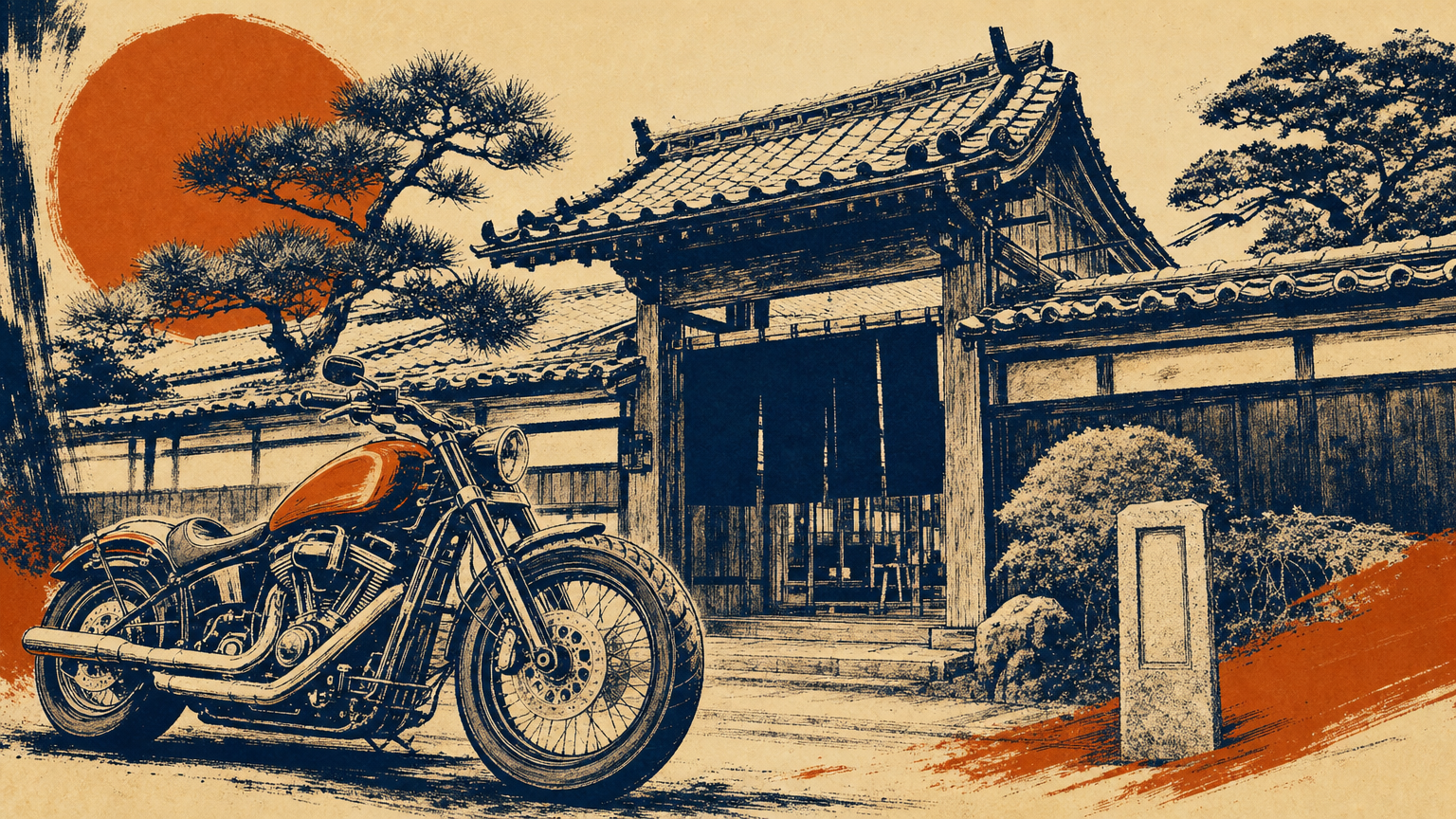
Image - 6SPOT~40 min
Narita-san Omotesando
The temple-town approach that retains its Edo-era atmosphere
HISTORYThe roughly 800m approach from the stations to the temple. As Narita pilgrimages flourished in the Edo period, a culture of welcoming pilgrims with eel and river-fish dishes took root.
TIPSEnjoy long-established yokan, pickles and street snacks while wandering the atmospheric sloping, cobbled street.
Open in Google Maps
Photo: At by At / Wikimedia Commons / CC BY-SA 3.0 - 7SPOT~30 min
Michi-no-Eki Hakko-no-Sato Kozaki
A roadside station along the Tone River themed on fermentation
TIPSA rest stop on the return along the Tone River, stocking fermented foods, amazake and miso from across Japan. Handy for a break before refueling.
Open in Google Maps
Photo: アラツク / Wikimedia Commons / CC BY-SA 4.0 - 8GOAL
Tashilog Garage
Return
