
RENT & RIDE JAPANIbaraki: Kasama & Foot of Mt. Amabiki
Kasama, Amabiki & Makabe Culture Ride
A relaxed, low-twisties day ride through Ibaraki's pottery country: Kasama Inari Shrine, the ancient Amabiki Kannon temple, and the historic stone-warehouse streets of Makabe.
- DISTANCE
- 340 km
- DURATION
- 11 h
- LEVEL
- Intermediate
Starting from TASHILOG GARAGE in Hachioji, this route heads via the Ken-O and Kita-Kanto expressways to Kasama, one of the Kanto region's great pottery towns. With almost no mountain passes, it's a mature cultural ride built around shrines, temples, and historic streetscapes.
Route Highlights
- Kasama Inari Shrine — one of Japan's three great Inari shrines, with over 1,360 years of history and famous inari-zushi at the approach shops.
- Amabiki Kannon (Rakuho-ji) — an ancient temple said to date from 587, revered for safe childbirth, with free-roaming peacocks and beautiful autumn foliage.
- Makabe historic district — a nationally designated preservation district lined with merchant storehouses and stone warehouses.
Notes for Riders
In autumn the red spider lilies and golden ginkgo make temple strolls especially pleasant. Confirm motorcycle parking at each shrine and ride slowly with respect for pedestrians.
- 1START
Tashilog Garage
Start point in Miyashitacho, Hachioji.
TIPSFuel up and check tire pressure before departure. The Akiruno IC on the Ken-O Expressway is nearby.
- 2SPOT~60 min
Kasama Inari Shrine
One of Japan's three great Inari shrines and the guardian shrine of the pottery town of Kasama.
HISTORYFounded in 651 according to shrine tradition, with over 1,360 years of history. Its deity, Uka-no-Mitama, is worshipped for good harvests and prosperity, drawing more than three million visitors a year. The 400-year-old wisteria beside the hall is a prefectural natural monument.
TIPSOpen roughly 6:00 to sunset. The approach shops are famous for inari-zushi. Park in the surrounding lots and follow the guidance for motorcycles.
Open in Google Maps
Photo: Dinakarr / Wikimedia Commons / CC BY-SA 3.0 - 3SPOT~30 min
Kasama History Exchange Hall Izutsuya
A tourism hub in a restored former ryotei, introducing Kasama's history and pottery culture.
HISTORYHoused in the restored Izutsuya, a former inn and ryotei active from the Taisho into the Showa era, now a well-loved base for exploring the old town.
TIPSWithin walking distance of Kasama Inari Shrine. A good stop to gather info for a stroll or Kasama-yaki pottery hopping.
Open in Google Maps
Photo: tak1701d / Wikimedia Commons / Public domain - 4SPOT~60 min
Amabiki Kannon (Rakuho-ji)
An ancient Shingon-sect temple on the slopes of Mt. Amabiki, revered for safe childbirth and child-rearing.
HISTORYSaid to have been founded in 587 by the Chinese-born monk Horin Dokushu. The name 'Amabiki' (rain-drawing) comes from a successful rain prayer ordered by Emperor Saga during a drought in 821. It is the 24th temple of the Bando Kannon pilgrimage, and its principal image is an unusual eight-armed Kannon from the early Heian period, a national Important Cultural Property. Peacocks roam the grounds.
TIPSLocated in Motoki, Sakuragawa. Autumn foliage peaks late November to early December. Wear comfortable shoes for the stone steps.
Open in Google Maps
Photo: Σ64 / Wikimedia Commons / CC BY-SA 3.0 - 5FOOD~50 min
Makabe Direct-Sales Soba Restaurant Tsukushi-tei
A hand-made soba restaurant on the shore of Lake Tsukushi, where you can watch the noodles being made through glass.
TIPSKnown for hand-made soba, with a farm stand selling fresh local vegetables. Hours and open days vary, so please confirm in advance.
Open in Google Maps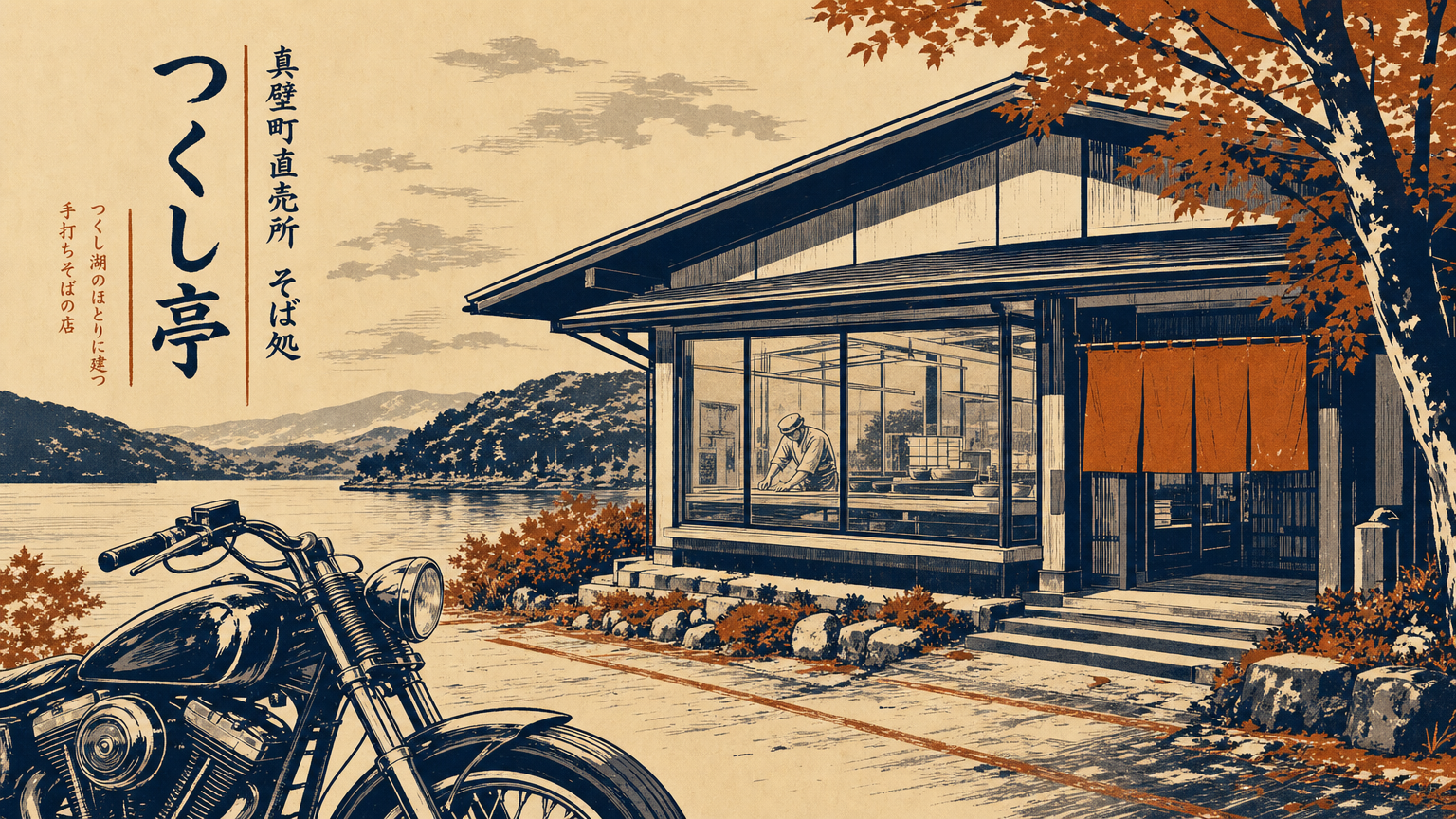
Image - 6SPOT~60 min
Makabe Historic District
A nationally designated preservation district lined with merchant stores, earthen storehouses, and stone warehouses.
HISTORYDeveloped as the castle town of the Makabe clan in medieval times and later thrived as a rural commercial town. Many merchant stores and storehouses from the late Edo to early Showa periods survive, and the district was designated a national Important Preservation District in 2010.
TIPSA pleasant town to explore on foot; the Makabe Denshokan hall makes a good starting point. Stroll slowly and take in the streetscape.
Open in Google Maps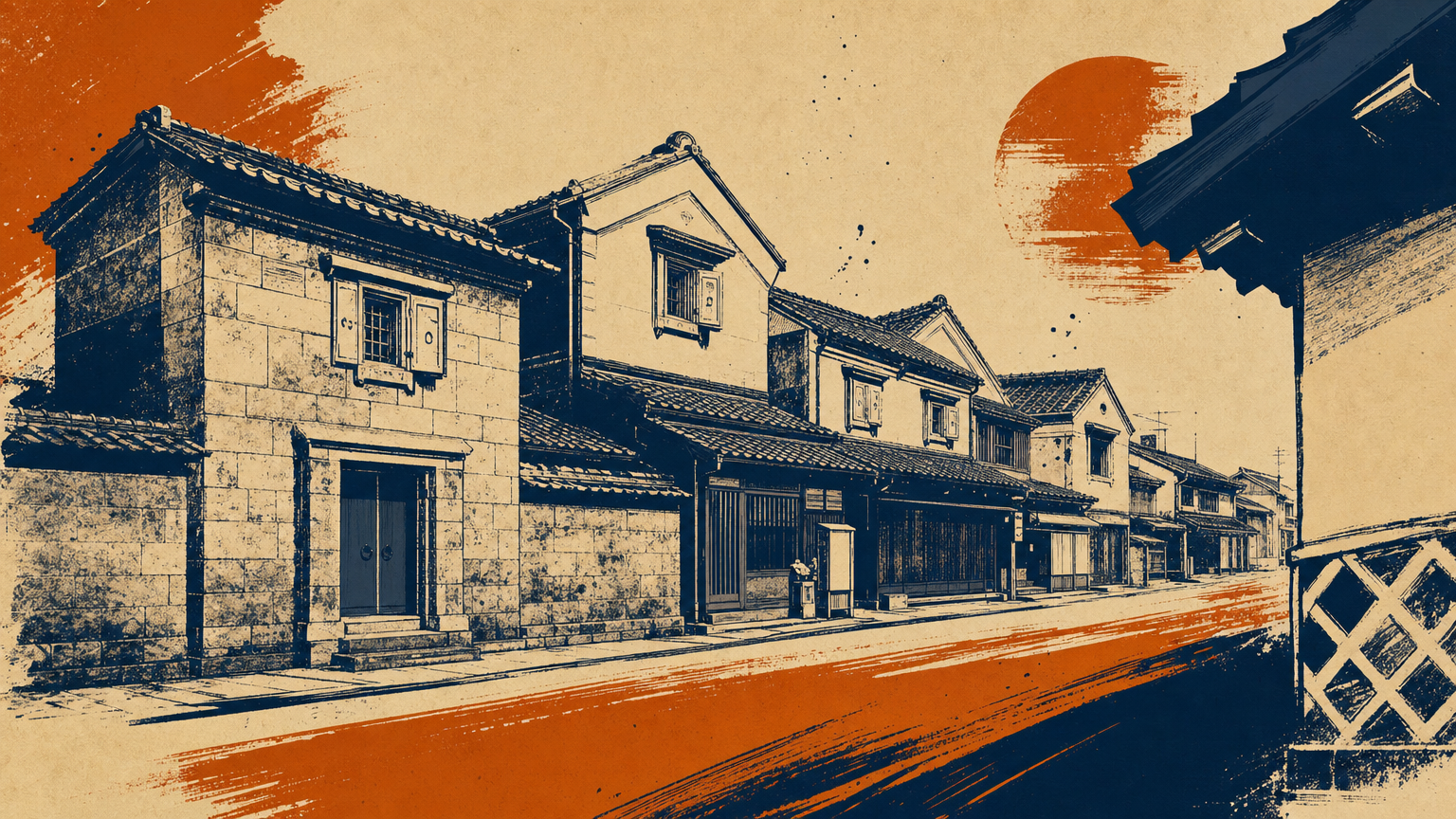
Image - 7SPOT~30 min
Makabe Denshokan History Museum
A museum introducing Makabe's history and culture, and a hub for exploring the old town.
HISTORYExhibits on Makabe Castle, the castle town, and local cultural properties, serving as a gateway to the preservation district.
TIPSPark here and combine your visit with the Makabe streetscape walk. Check opening hours in advance.
Open in Google Maps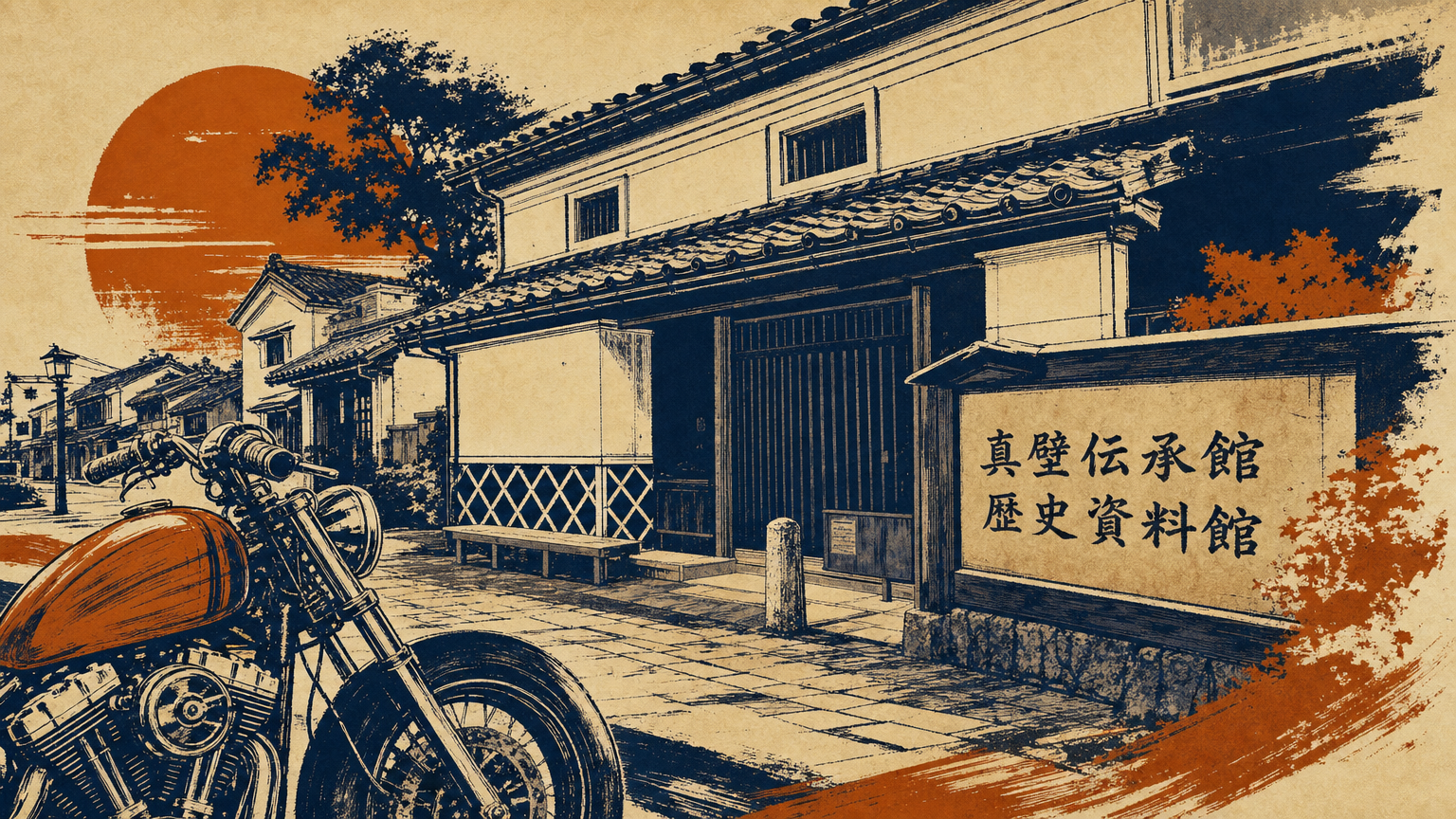
Image - 8GOAL
Tashilog Garage
Return to Miyashitacho, Hachioji.
TIPSReturn via the Kita-Kanto and Ken-O expressways. Allow for evening traffic and aim to arrive early.